

Sugar Substitutes and Brain Aging: What the 2025 Study Found (+ Date Paste)



🧠 This recipe is part of our Sugar Substitutes for Brain Aging Recipes: 5 sweet recipes made with fruit instead of sweeteners.
This post contains affiliate links. As an Amazon Associate I earn from qualifying purchases.
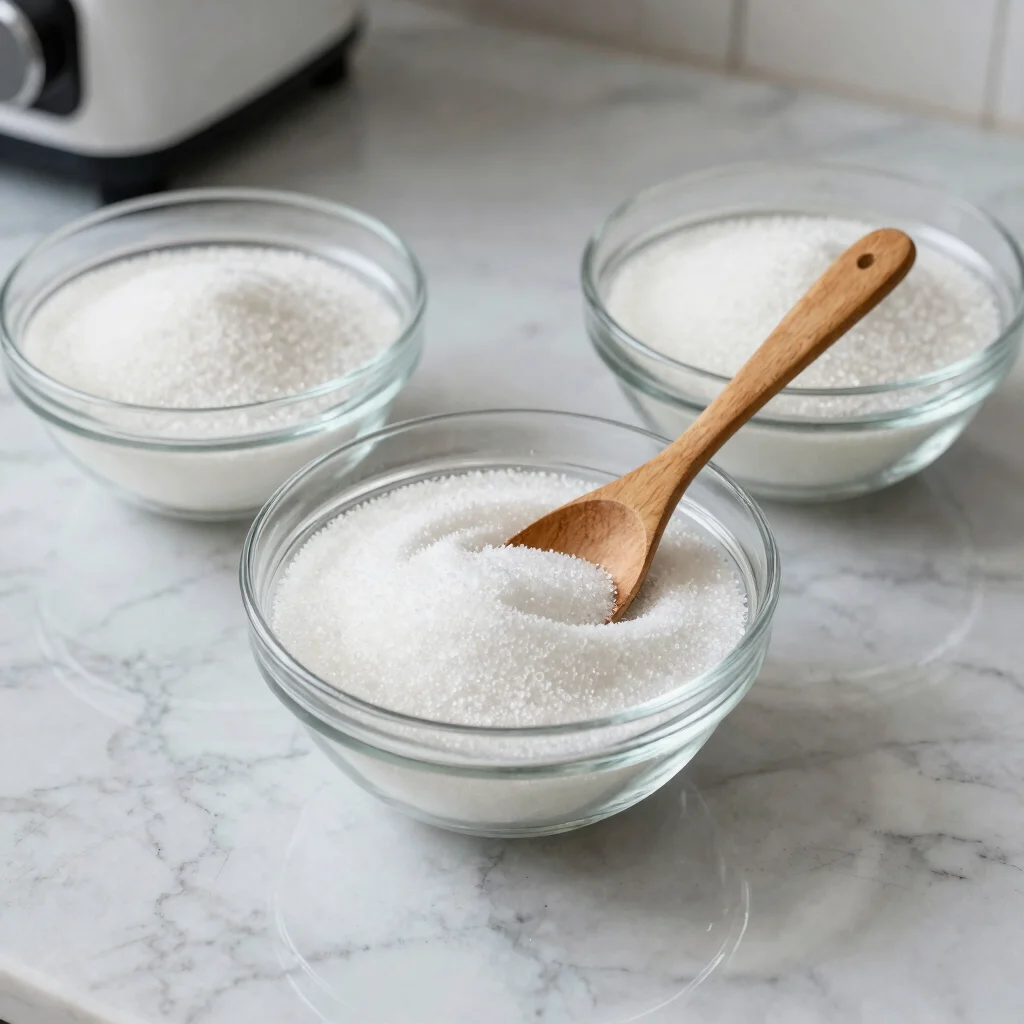
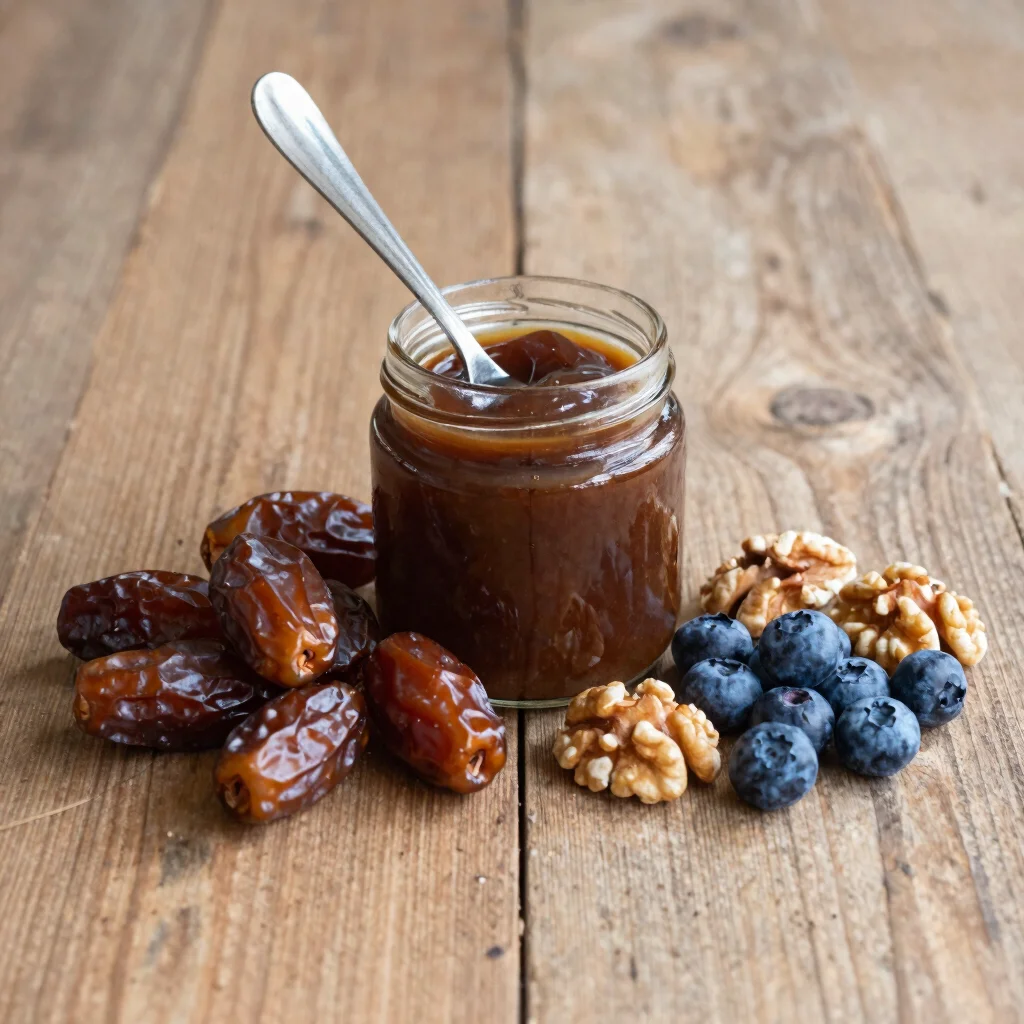
For years, sugar substitutes were sold as the “healthy” way to enjoy sweets. A large 2025 study on sugar substitutes and brain aging raised new questions. Here is what the research really found, which sweeteners were involved, what it does and doesn’t prove, and a simple swap: sweetening with whole fruit and our 3-ingredient date paste, used in every recipe in this series.
🌱 What the 2025 Study Found
- The study: published in the journal Neurology in September 2025, it followed 12,772 adults in Brazil (average age 52) for about 8 years and tested their memory and thinking skills (American Academy of Neurology summary).
- The result: people with the highest intake of low- and no-calorie sweeteners showed faster cognitive decline than those with the lowest intake, roughly equal to 1.6 extra years of brain aging.
- Which sweeteners: aspartame, saccharin, acesulfame-K, erythritol, xylitol and sorbitol were each linked to faster decline. Tagatose was not.
- Who was affected: the link appeared in people under 60 and was stronger in people with diabetes.
- The limits: it was an observational study based on food questionnaires. It shows an association, not that sweeteners cause brain aging, and it didn’t test stevia, monk fruit or sucralose individually.
🍯 So What Should You Use Instead?
- Don’t switch back to lots of sugar. High added-sugar intake has its own risks for the heart, weight and blood sugar.
- Lower the sweetness overall. Your taste buds adapt in a few weeks.
- Sweeten with whole fruit: ripe bananas, berries, apples and dates bring fiber along with sweetness.
- Eat more brain-friendly foods: the MIND diet, which researchers have linked to slower cognitive decline, emphasizes berries, nuts, leafy greens, beans, whole grains and olive oil.
- Already use monk fruit? See our monk fruit sweetener guide, and use it in moderation.
🧠 Homemade Date Paste Recipe
Homemade Date Paste
Ingredients
- 1 cup pitted Medjool dates about 150 g, packed
- ½ cup hot water plus more if needed
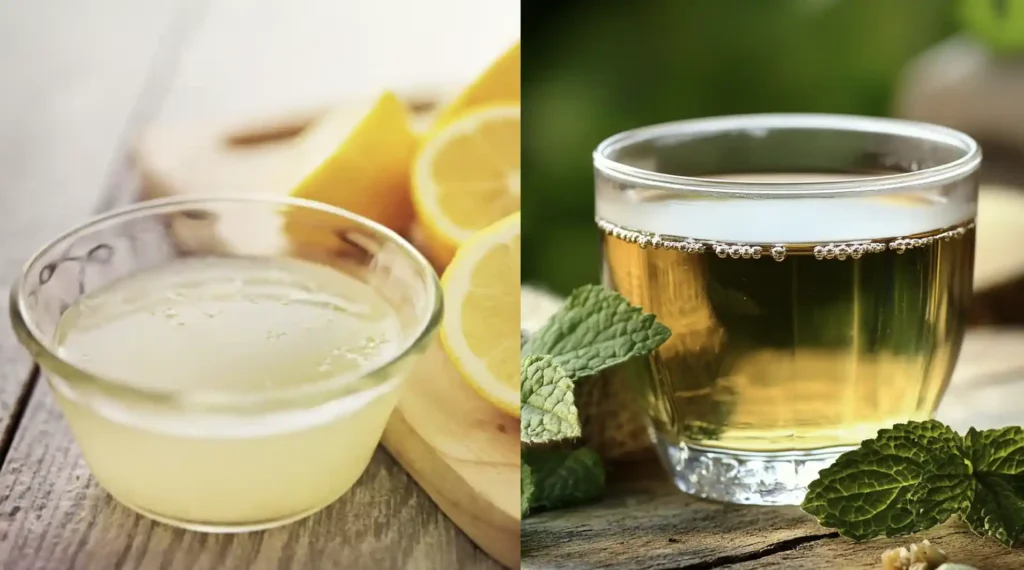
- 1 tsp fresh lemon juice
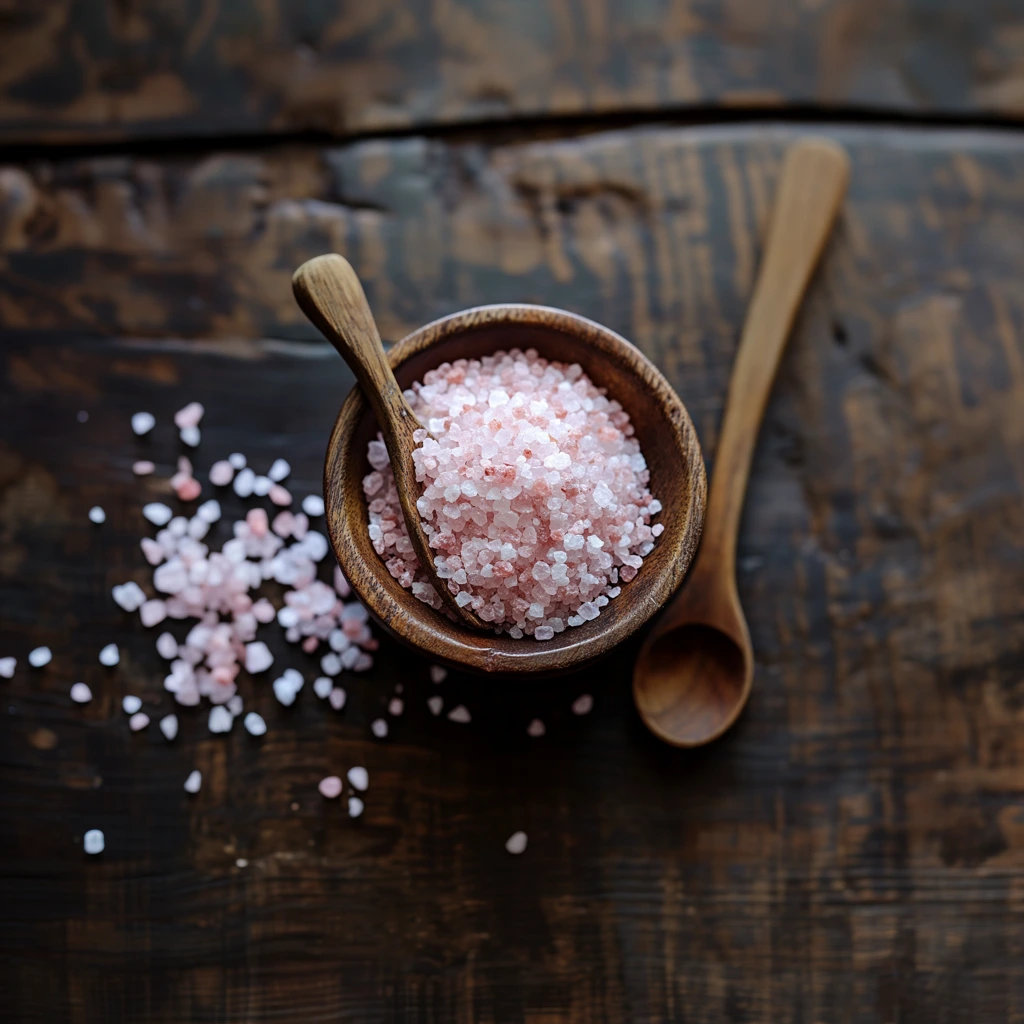
- 1 pinch salt
Instructions
- Soak the dates in the hot water for 10 minutes to soften.
- Add the dates and soaking water, lemon juice and salt to a food processor or blender.
- Blend until very smooth, scraping down the sides and adding water 1 tablespoon at a time if needed.
- Transfer to a jar and refrigerate.
Notes
🍴 How to Use Date Paste
- Swap it 1:1 for honey or maple syrup in oatmeal, yogurt and smoothies.
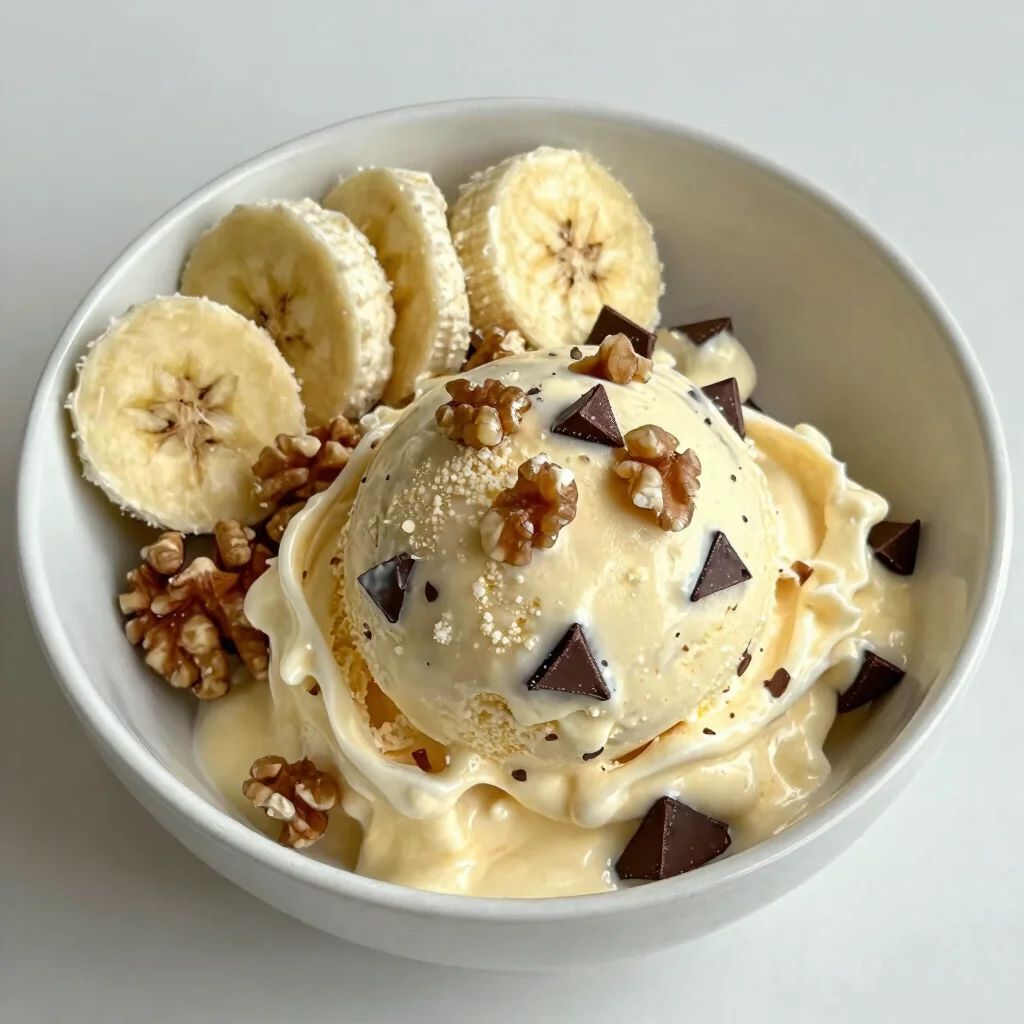
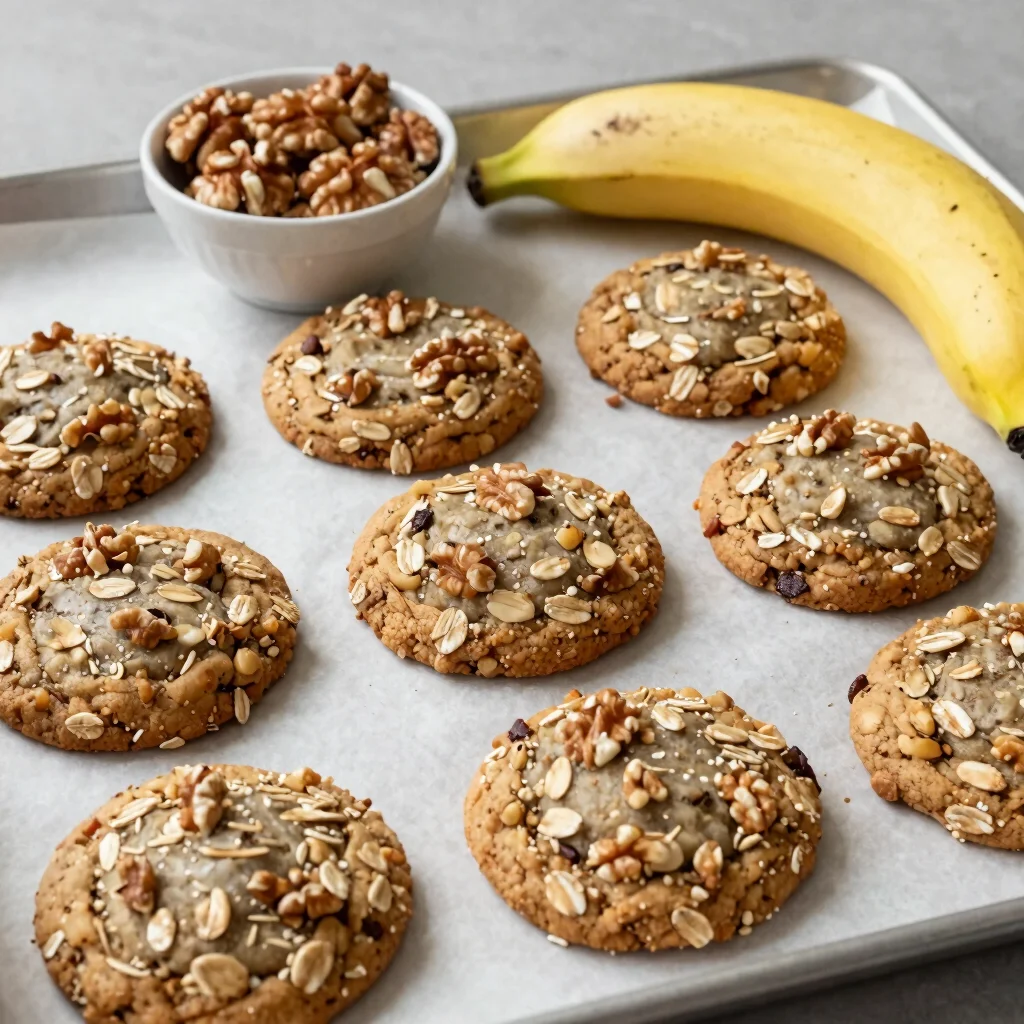
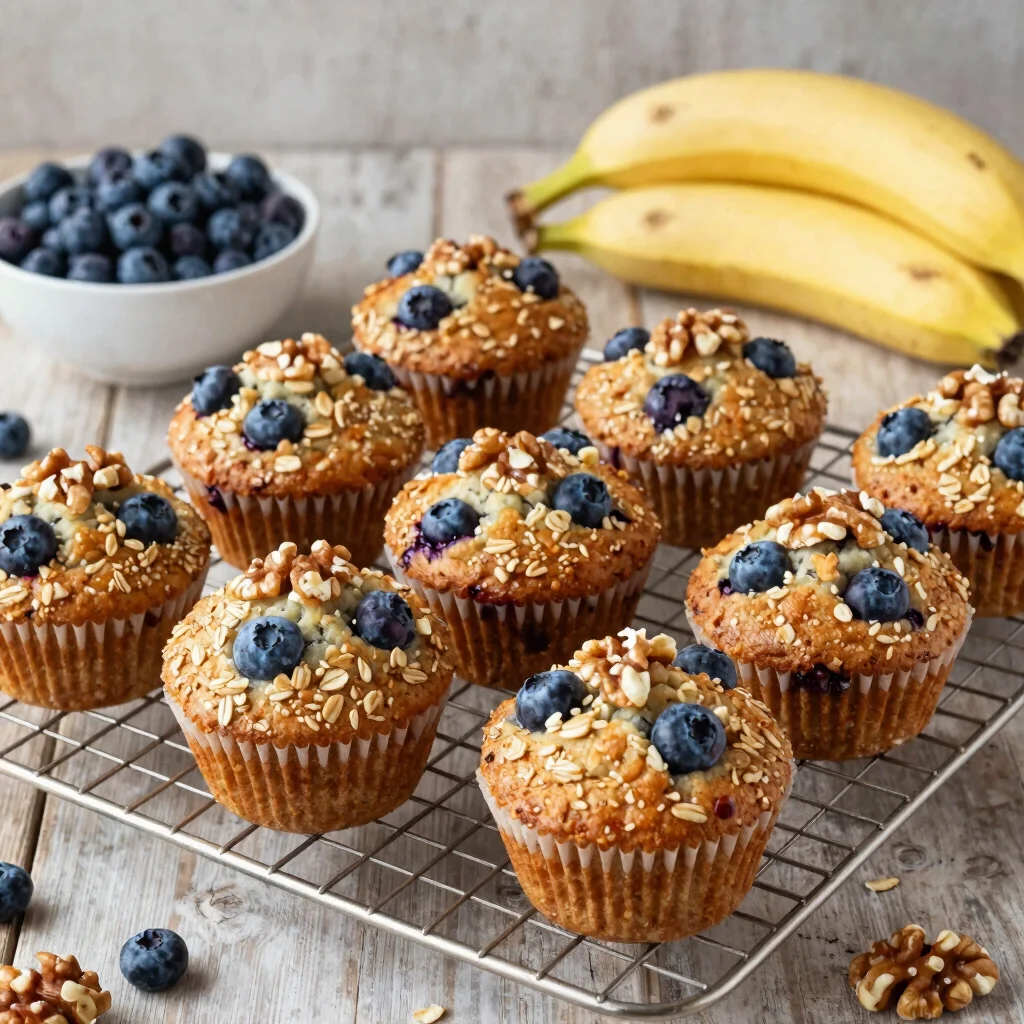
- Bake with it: our Blueberry Walnut Oat Muffins and Banana Walnut Oatmeal Cookies.
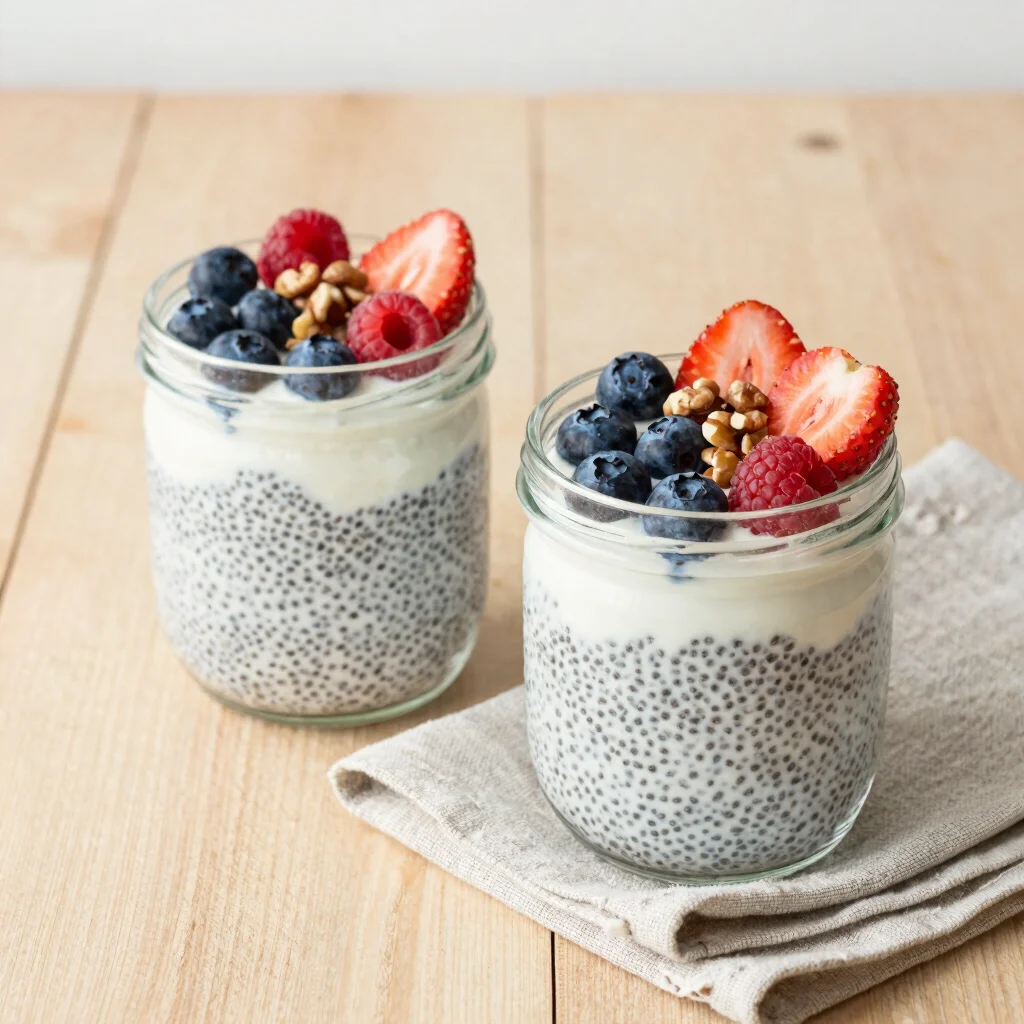
- Stir a spoon into our MIND Diet Berry Chia Pudding.
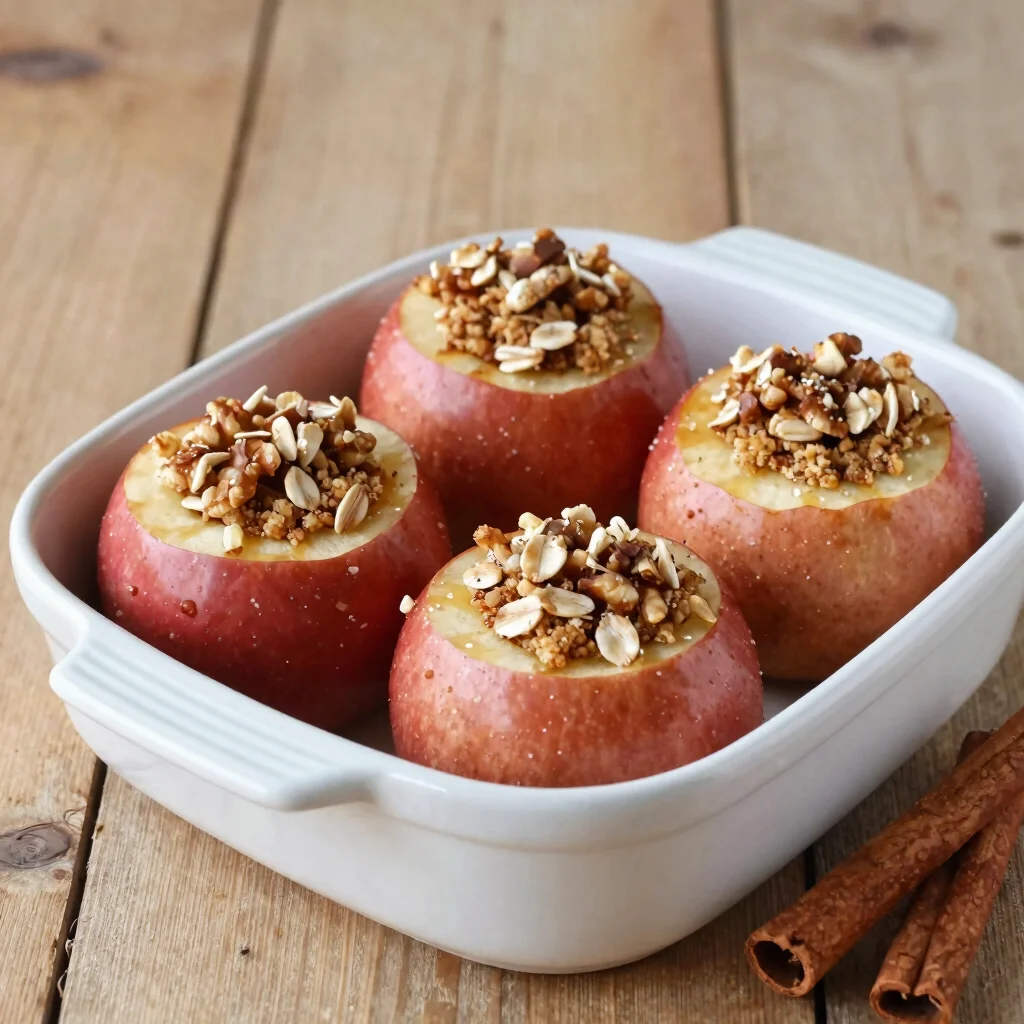
- Use it in our Cinnamon Baked Apples with Walnuts.
🧘♀️ Nutritionist Notes
Approximate nutrition per tablespoon of date paste: 26 calories · 7 g carbs · 6 g natural sugar · 1 g fiber.
- Date paste is still sugar, just with fiber, potassium and antioxidants attached. Use it in small amounts.
- Medjool dates blend most smoothly; soak drier Deglet Noor dates longer.
- It keeps 2 weeks in the fridge or 3 months frozen in an ice cube tray.
- No single food or recipe prevents brain aging or dementia. If you have diabetes or memory concerns, talk to your doctor before changing your diet.
🛒 Healthy Amazon Finds for This Recipe
- Pitted Medjool dates: the base of our date paste and the sweetener in this series.
- A mini food processor: blends date paste smooth in a minute.
- Small glass jars: to keep date paste in the fridge.
❓ Frequently Asked Questions
Do sugar substitutes cause brain aging?
Not proven. A 2025 Neurology study linked the highest intake of several sweeteners to faster cognitive decline, but it was observational, so it shows an association, not cause and effect.
Which sweeteners were linked to cognitive decline?
Aspartame, saccharin, acesulfame-K, erythritol, xylitol and sorbitol. Tagatose was not linked. Stevia, monk fruit and sucralose were not analyzed individually.
What is the healthiest way to sweeten food?
Use less sweetener overall and get sweetness from whole fruit, such as bananas, berries and dates, which also add fiber. Small amounts of sugar or honey are fine for most healthy people.
Is date paste healthier than sugar?
It contains fiber, potassium and antioxidants that white sugar lacks, but it is still a concentrated source of sugar, so portion size matters.
Should people with diabetes stop using sweeteners?
Talk to your doctor or dietitian. The study found a stronger link in people with diabetes, but sweeteners may still play a role in some diabetes plans.
🔗 You May Also Like
🧮 Track it: Use our free Daily Calorie Intake Calculator to find out how many calories you need each day.
✅ Final Thoughts
The 2025 study is a reminder that “sugar-free” doesn’t automatically mean healthy. The smartest move is to enjoy less sweetness overall and let fruit do most of the work. Start with a jar of date paste and the brain-friendly recipes in this series.


Categories