

Easy Homemade Sauerkraut Recipe (Just Cabbage and Salt)



This post contains affiliate links. As an Amazon Associate I earn from qualifying purchases.
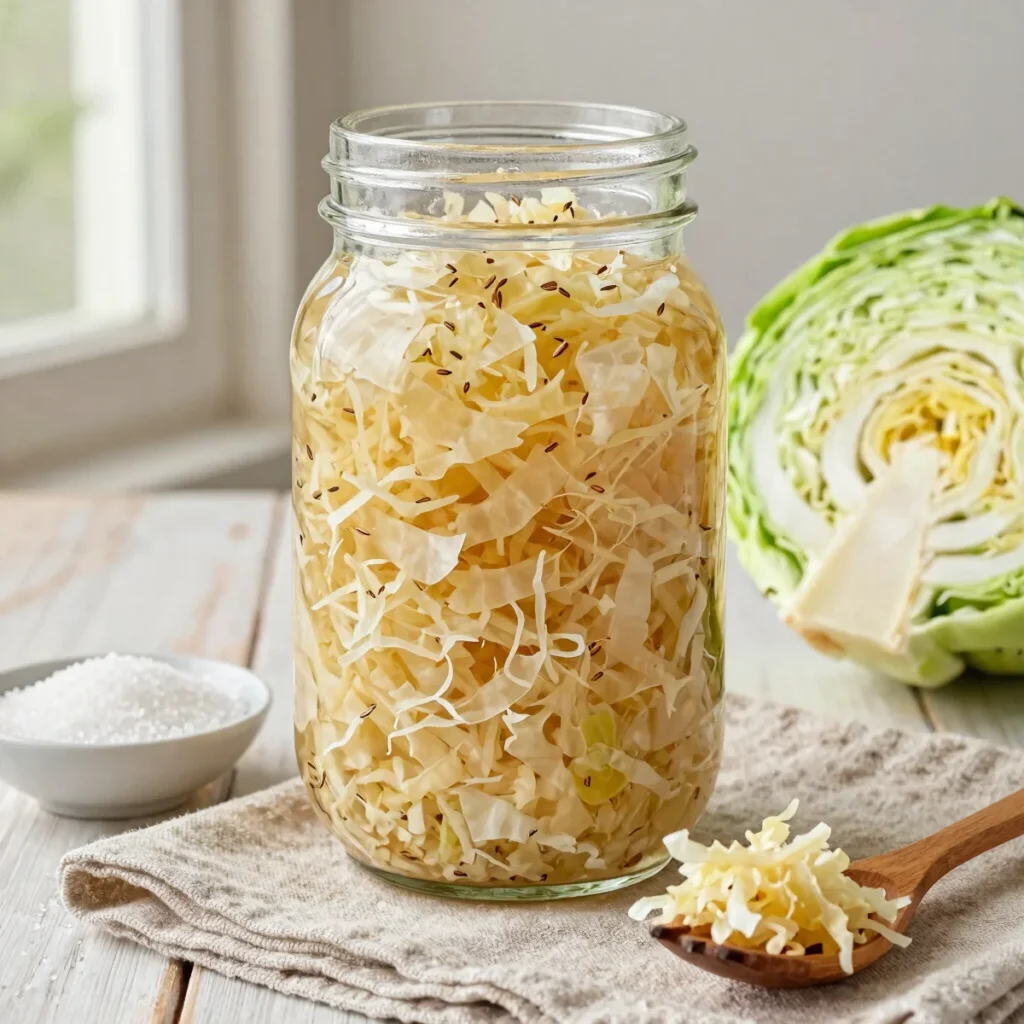
Fermented foods are one of the biggest food trends right now, and searches for sauerkraut recipes keep climbing. The good news: real homemade sauerkraut needs only two ingredients, cabbage and salt. There are no special starters and no vinegar. Natural fermentation turns plain cabbage into tangy, crunchy kraut with live cultures. Store-bought sauerkraut that has been heated (pasteurized) doesn’t have any.
🫙 Why Make Your Own Sauerkraut?
- Live cultures: Raw, unpasteurized sauerkraut has live lactic acid bacteria, the same kind of “good bacteria” in other fermented foods.
- Very low in calories: About 7 calories per ¼ cup, and it adds big flavor.
- Costs very little: One head of cabbage makes about a quart.
- You control the salt and the flavor.
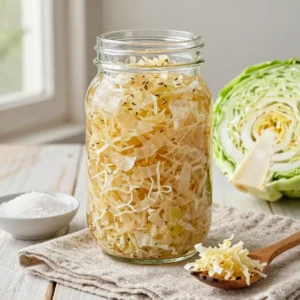
Easy Homemade Sauerkraut (Just Cabbage and Salt)
Ingredients
- 1 medium green cabbage about 2 lb / 900 g
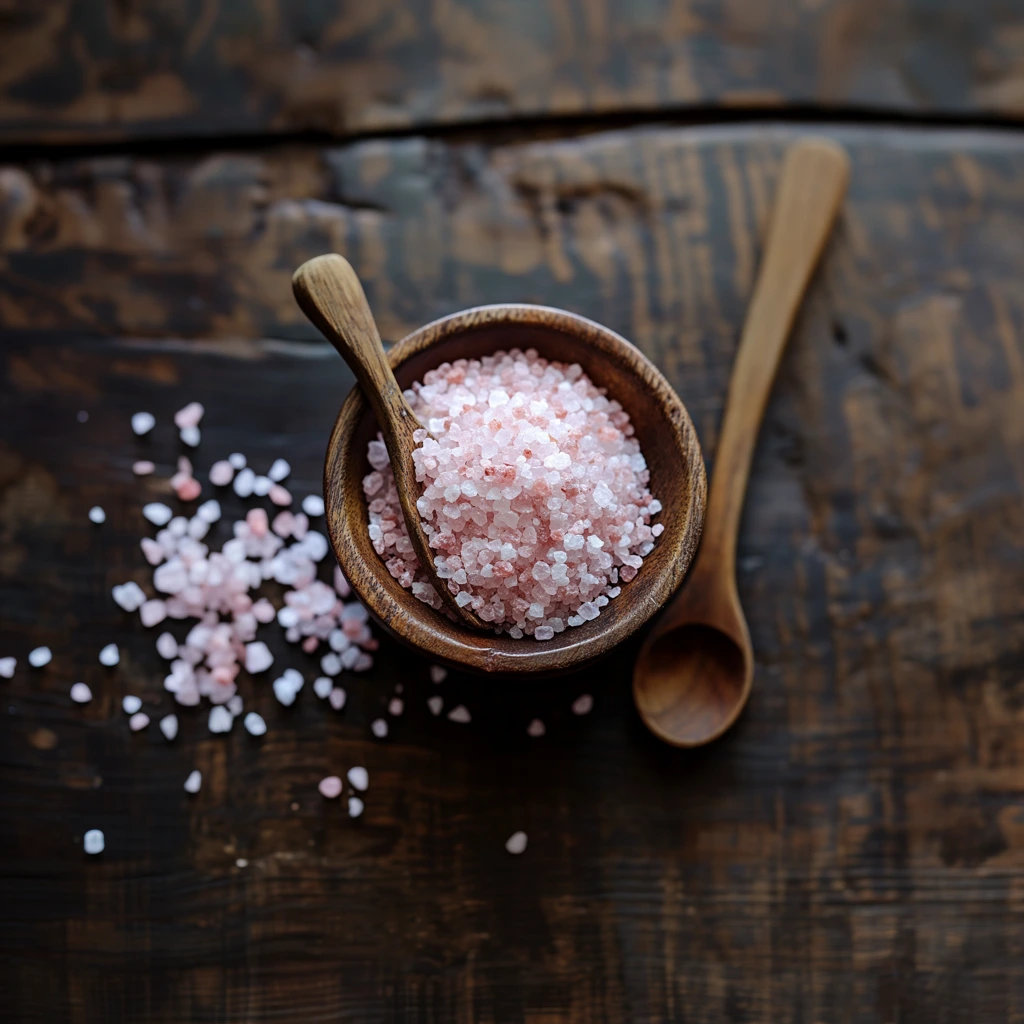
- 1 tbsp non-iodized salt about 18 g sea or pickling salt, 2% of the trimmed cabbage weight
- 1 tsp caraway seeds optional
Instructions
- Remove 1–2 outer leaves and save one clean leaf. Quarter and core the cabbage, then slice it very thinly.
- Put the cabbage in a large bowl, sprinkle with the salt and massage firmly with clean hands for 5–10 minutes until it shrinks and releases a lot of brine.
- Pack the cabbage tightly into a clean 1-quart glass jar, pressing down hard after each handful. Pour in all the brine so the cabbage is completely submerged.
- Fold the saved cabbage leaf over the top and hold everything under the brine with a fermentation weight. Leave about 1 inch (2.5 cm) of headspace.
- Cover with a fermentation lid or loose lid and keep at 65–72°F (18–22°C) away from sunlight, on a plate to catch overflow.
- Every couple of days, press the cabbage back under the brine. Start tasting after 7 days. When it's as tangy as you like (usually 1–4 weeks), close the jar and refrigerate.
Notes
⚠️ Fermentation Safety
- Bubbles, a cloudy brine and a sour smell are normal. That means it’s fermenting.
- A flat white film on top is usually harmless kahm yeast. Skim it off.
- Throw the batch out if you see fuzzy mold (blue, green, black or pink), or if it smells rotten or feels slimy. When in doubt, throw it out.
- Always use clean jars and hands, and keep the cabbage under the brine. That’s what keeps the bad bacteria out.
🍴 How to Eat It
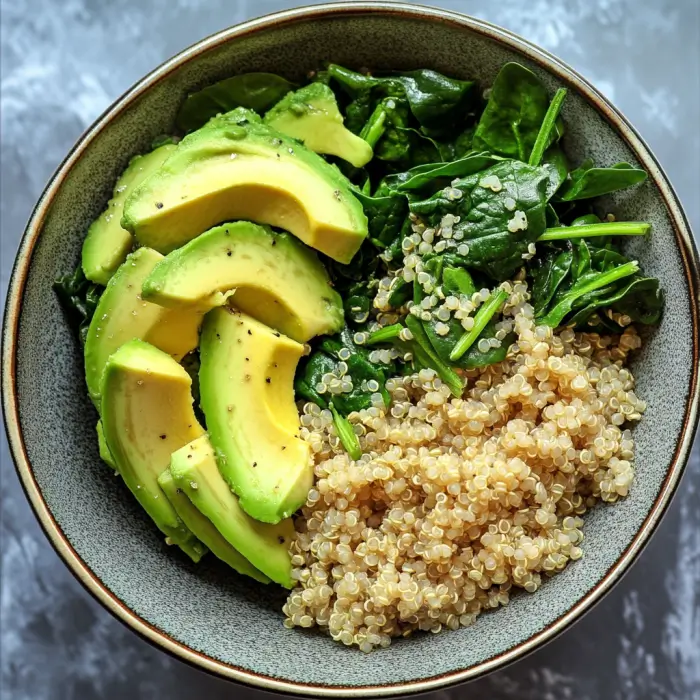
- As a tangy topping for salads, bowls, eggs and sandwiches.
- Next to roast turkey, pork or sausages.
- Raw or cold. Heating sauerkraut kills its live cultures, so add it after cooking.
🧘♀️ Nutrition Tips
Approximate nutrition per ¼ cup (35 g): 7 calories · 1.5 g carbs · 1 g fiber · about 400 mg sodium.
- Start small. If you’re new to fermented foods, begin with 1–2 tablespoons a day.
- It’s salty. If you’re on a low-sodium diet, or take medication that requires avoiding fermented foods (such as MAOIs), check with your doctor first.
- Stored in the fridge, homemade sauerkraut keeps for several months.
🛒 Healthy Amazon Finds for This Recipe
- Masontops Pickle Pebbles Glass Fermentation Weights: keep the cabbage under the brine, the #1 rule of safe fermenting.
- Masontops Complete Mason Jar Fermentation Kit: airlock lids, weights and a tamper in one kit for beginners.
- Etekcity Digital Kitchen Scale (0.1 g): makes the 2% salt rule easy and accurate.
❓ Frequently Asked Questions
How long does homemade sauerkraut last?
Once fermented and refrigerated, homemade sauerkraut keeps for several months. Keep it in a closed jar, pressed under its brine, and always use a clean fork to take some out.
Why isn’t my sauerkraut bubbling?
Bubbles can take 2–4 days to appear, especially in a cool kitchen. Fermentation slows below about 65°F (18°C) and can also slow if you used too much salt. As long as the cabbage is under the brine and there’s no mold, give it more time.
Is homemade sauerkraut probiotic?
Raw, unpasteurized sauerkraut contains live lactic acid bacteria. Cooking it, or buying shelf-stable sauerkraut that has been pasteurized, kills those live cultures. For another fermented project, try our Natural Ginger Bug Recipe.
Can I use less salt or iodized salt?
Stick to about 2% salt by weight. Much less than that raises the risk of spoilage and soft, mushy kraut. Use non-iodized salt such as sea salt or pickling salt, because iodine and anti-caking agents can slow fermentation and cloud the brine.
🔗 You May Also Like
🧮 Track it: Use our free Daily Calorie Intake Calculator to find out how many calories you need each day.
✅ Final Thoughts
Homemade sauerkraut is one of the easiest and cheapest ways to add fermented foods to your diet. With just cabbage, salt and a little patience, you’ll have a crunchy, tangy, gut-friendly condiment that beats store-bought. Pin it and start your first jar this weekend!


Categories